Choosing an experiential designer is not a vendor decision. It is the choice of the creative partner who will translate your story into architecture, light, sound, hospitality, and time. The difference between a beautiful wedding and an unforgettable one is almost always made here, long before a drawing is signed, a flower is ordered, or a guest arrives.
Le Mariage is a luxury wedding and event design company based in Qatar known for large-scale immersive wedding productions across the Middle East. The selection principles below are the ones that matter at this level, drawn from working on weddings where scale, precision, and emotion must arrive at the same moment. A useful companion read is what a palace-scale wedding actually looks like.
1. Be clear before the first meeting
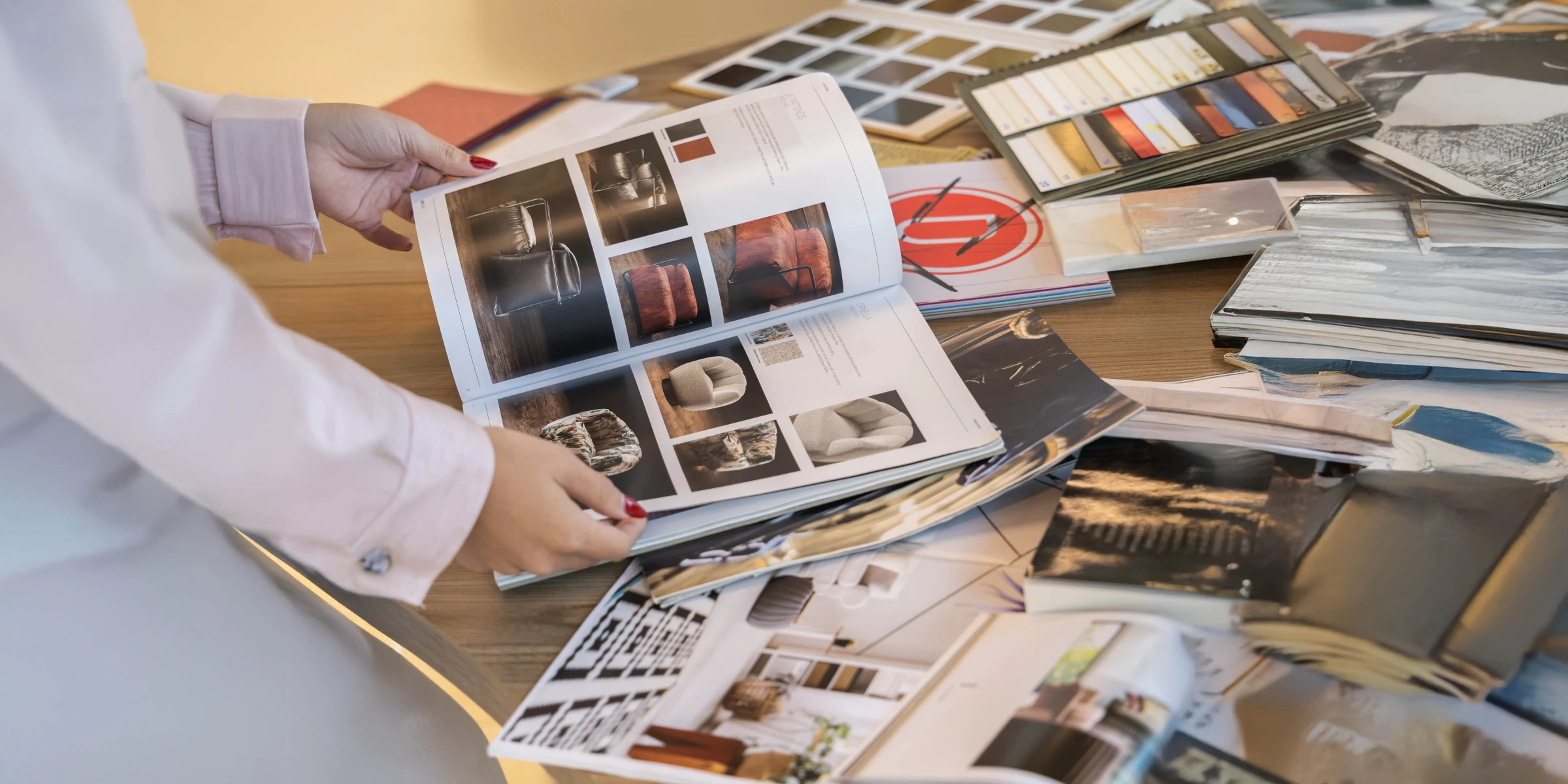
Great studios are not hired with a brief; they are hired with a feeling. Before you speak to any designer, know how you want the wedding to feel. Immersive or intimate. Architectural or editorial. Monumental or quiet. Emotion first, aesthetic second.
Bring a mood board that captures textures, colours, and references, and a short list of non-negotiables: guest profile, cultural protocol, signature moments, budget envelope, and geography. Clarity from the client side is what allows a designer to do their most original work.
2. Look for concept-to-execution fluency
Many studios produce beautiful concepts. Far fewer deliver what they promised at the scale and date they promised [1]. The single most valuable quality in an experiential designer is the ability to carry one creative idea intact — from first mood board to event night — without losing fidelity in the middle.
Ask to see evidence of that continuity, not just finished images:
• Projects where mood boards, floor plans, and technical drawings are shown alongside the installed result.
• A named creative director who stays attached to the project from brief to break-down.
• A short design outline produced before contract — at the studio's expense.
If a studio cannot show the connective tissue between idea and installation, the final product tends to reveal why.
3. Read portfolios for more than beauty
A beautiful portfolio is table stakes. What separates an experiential designer from a decorator is the sensory stack behind the visuals: lighting that reads as architecture, scent that marks thresholds, sound that paces mood, hospitality choreographed into the design [2]. Look for continuity — arrival, ceremony, dinner, after-party — under one governing idea.
Short-form content (Instagram, reels) shows signature. Long-form content (case studies, press) shows process. Strong studios work in both registers. A studio that only performs in short clips is usually a studio that cannot narrate its own work.
4. Judge the workflow, not just the pitch
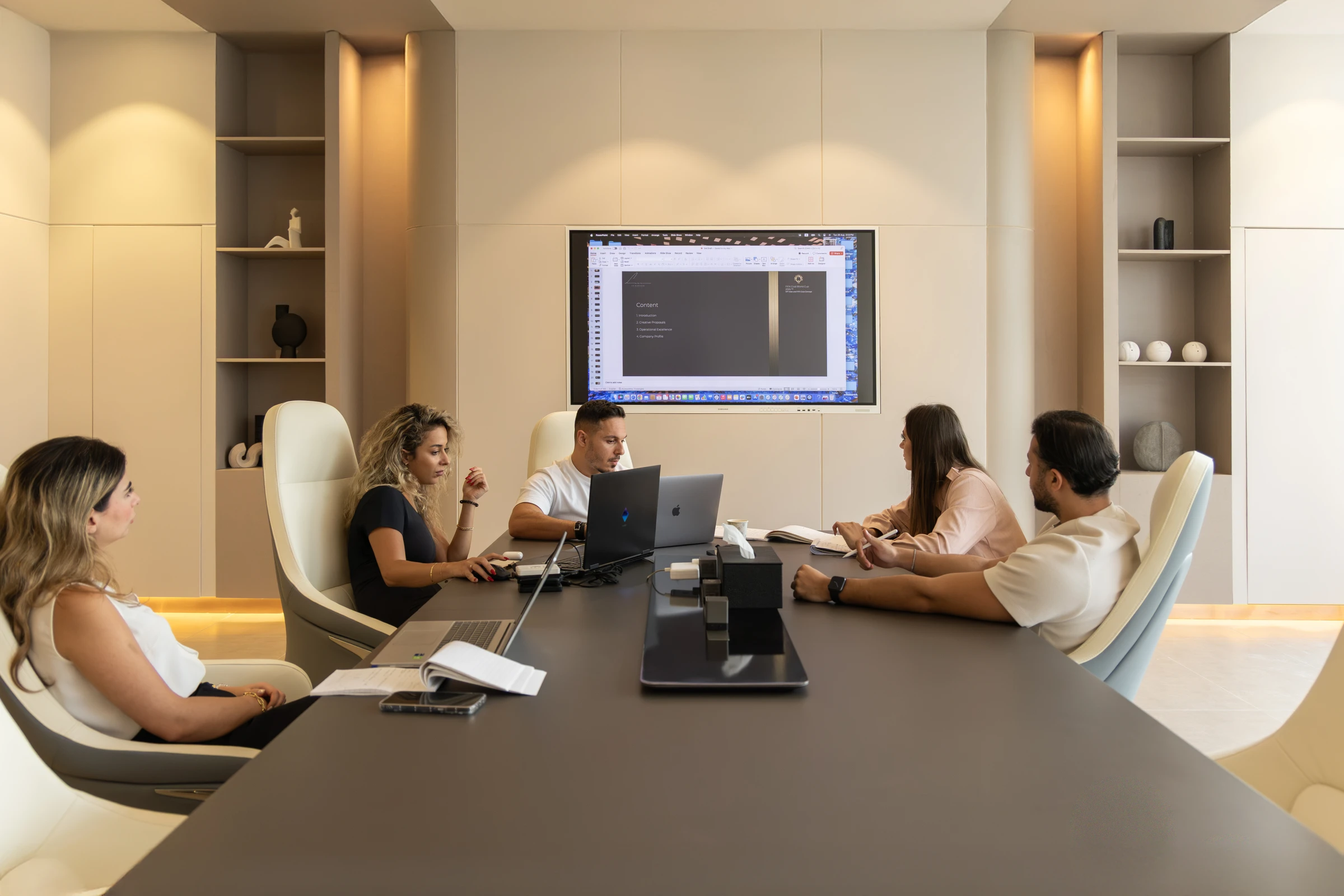
The tools a studio uses are a direct window into the quality of its work. Expect shared mood boards, a living design book, 3D visualisation for key environments, and documented project management with named owners for approvals and timelines [3]. At bespoke scale, discipline is the aesthetic.
On vendors and on-site delivery, ask plainly:
• Who, by name, will lead on the day?
• Which partners are in-house, which are third-party, and why?
• What is the backup plan for every critical vendor — AV, structures, catering?
• How does the studio handle NDAs and protocol for VIP or destination events?
On contracts, insist that scope lock, sign-off milestones, IP ownership, confidentiality, and event-day command structure are written, not assumed. Ambiguity at this scale is expensive. Reliability is almost always a function of rhythm, not heroism.
5. Trust the final conversation
After the portfolio review, the reference calls, and the paperwork, there is still one test that matters most. Spend thirty minutes with a past client whose wedding was comparable in ambition. Ask them what the studio did when something went wrong — not what it looked like when everything went right. That conversation will tell you more than any pitch meeting.
Thirty minutes with a past client will tell you more about a studio than ten pitch meetings.